The Role of IoT and Why It Matters for Your Future
Discover IoT, the latest buzzword transforming our world. Learn how it’s shaping our cities, industries, and daily life.

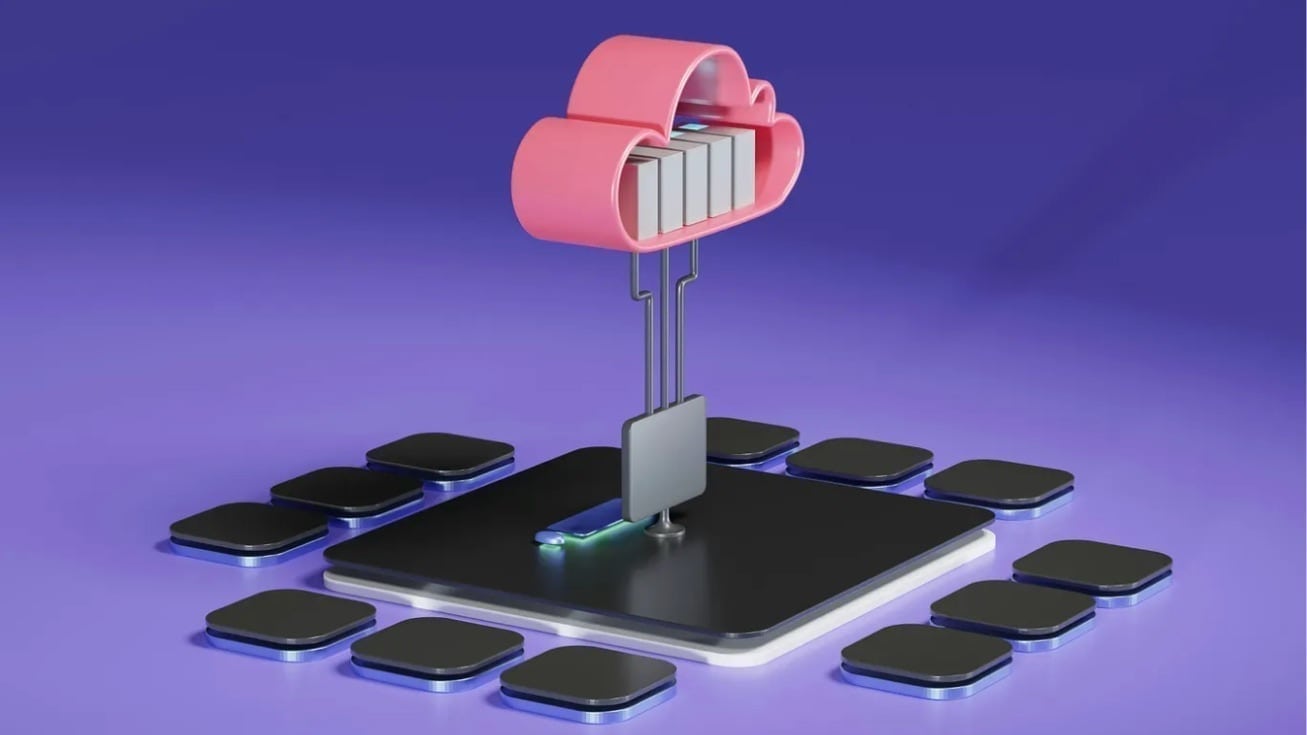
The Internet of Things (IoT) has emerged as a transformative force in the way we live, work, and interact with our environments. IoT is on its rise to becoming the next buzzword, reflecting its growing prominence in technology and urban development. This vast network of interconnected devices that communicate and share data is paving the way for smarter, more efficient cities.
IoT technology is being seamlessly integrated into various aspects of urban life, from traffic management and public safety to healthcare and environmental monitoring. As cities around the world continue to embrace IoT, the benefits are becoming increasingly apparent, even as challenges related to privacy, security, and interoperability remain.
Traffic lights, watches, and trucks, all passing data around
The Internet of Things or IoT refers to a network of physical objects: devices, sensors, and machines that are embedded with technology and can collect, exchange, and process data. In smart cities, this includes everything from traffic lights, smart vehicles, air quality sensors, and surveillance cameras to everyday devices like smartphones, smart watches, washing machines, and even trucks.
By enabling these devices to “talk” to each other, IoT is creating interconnected systems that improve the efficiency and quality of urban services and infrastructure. Key components of IoT in smart cities include sensors and devices for collecting real-time data, actuators that trigger physical actions based on sensor input, and communication networks that are powered by technologies like 5G for faster exchange of data.
IoT is already transforming cities, with tools like smart parking apps helping users locate and pay for spaces effortlessly. These innovations, among others, are gradually building the backbone of futuristic urban infrastructure depicted in sci-fi movies. Simply put, IoT is the starting point that gets us there.
Connected cities
What happens when a city starts talking to itself?
The city of Amsterdam in the Netherlands serves as a prime example of IoT integration in a smart city. Amsterdam has implemented an intelligent transport system called “Smart Mobility Amsterdam”. In the city, IoT has improved traffic efficiency by allowing vehicles, such as trucks, to communicate with traffic management systems. For example, when three trucks are on the same street, they signal themselves to the traffic system as a platoon and cross at the same time, reducing fuel consumption and improving traffic flow by 15%.
Additionally, air quality is monitored by citizens who set up sensors in their immediate surroundings, contributing to a larger network of real-time environmental data. This level of participation empowers citizens to take an active role in making their city smarter, with tangible results such as more efficient traffic and improved air quality monitoring.
The upside
Less time in traffic, and fewer trucks sent out for half-empty bins
IoT has the potential to bring substantial benefits to urban environments, improving quality of life for city dwellers:
Increased Efficiency: Automation of city services reduces the need for human intervention, streamlining processes like waste management, street lighting, and traffic control.
Reduced Environmental Impact: IoT enables smarter energy usage, such as lighting systems that turn off when not in use and optimized public transportation that reduces emissions.
Enhanced Quality of Life: Citizens benefit from more convenient, timely public services, such as smart waste bins that alert when they are full, reducing the need for unnecessary collection.
Despite these advantages, the widespread adoption of IoT in cities faces several challenges.
The catch
Your data, someone else's servers, and gadgets that don't talk to each other
Data Privacy: The collection of vast amounts of personal data by IoT devices raises concerns about how this data is used and stored. With the proliferation of smart devices, privacy risks increase, making it essential for cities to establish strong data protection frameworks.
Cybersecurity: As IoT devices become more interconnected, they present new vulnerabilities to hacking and cyber-attacks. The security of critical infrastructure, such as power grids and transportation networks, must be prioritized.
Interoperability: IoT devices from different manufacturers may use incompatible protocols and formats, complicating data exchange and integration across the city.
Scalability: As the number of IoT devices grows, ensuring that new devices can integrate with existing systems without disruption becomes increasingly difficult.
Traffic and power handled without someone watching the board
Looking forward, IoT is poised to evolve further through integration with artificial intelligence (AI) and machine learning, enabling cities to function autonomously. This could lead to fully autonomous cities, where everything from traffic to energy use is managed by IoT-enabled AI systems.
Such advancements could contribute to achieving sustainability goals, helping cities optimize resources and reduce waste. The rise of edge computing, which allows for real-time data processing closer to the source, will support these developments by reducing latency and improving system responsiveness.
A car making a split-second call can't phone a server across town
Edge computing plays a crucial role in the IoT ecosystem, enhancing its capabilities. Edge computing brings data processing closer to where it’s generated, making IoT devices faster and more efficient. By processing data locally, edge computing reduces latency, alleviates network congestion, and lowers bandwidth costs.
This is especially important for IoT applications requiring real-time responses, such as autonomous vehicles or industrial machines.
Additionally, edge computing increases security by limiting the amount of data that is transmitted to the cloud, thereby reducing the risk of data interception or unauthorized access.
Care
Heart rate and glucose, checked between doctor visits
IoT is transforming healthcare by enabling continuous, real-time monitoring of patient health. Devices such as wearables, remote monitoring tools, and connected medical equipment allow healthcare providers to track vital signs like heart rate, blood pressure, and glucose levels without requiring frequent in-person visits.
The health care field has begun incorporating IoT, creating the Internet of Medical Things (IoMT)
This has the potential to reduce hospital stays, lower healthcare costs, and improve patient outcomes. For example, IoT can monitor patients with chronic conditions like diabetes, providing timely data that can help doctors adjust treatment plans. Additionally, IoT facilitates environmental monitoring, ensuring safe hospital conditions by tracking temperature, humidity, and air quality.
The scale
$662 billion in 2023, headed toward $3.35 trillion
The IoT market is growing at an extraordinary rate. In 2023, the global IoT market was valued at USD 662.21 billion and is projected to reach USD 3.35 trillion by 2030, growing at a compound annual growth rate (CAGR) of 26.9% (view full report). This growth is driven by advancements in 5G technology, which provides faster and more reliable data transfer, and the increasing adoption of edge computing for real-time processing.
Demand for IoT in sectors such as healthcare, manufacturing, and automotive is expected to further fuel market expansion. For example, Siemens’ $600 million investment in the future of Berlin highlights the commitment of cities to harnessing IoT for urban development.
Once the devices are connected, software can start making sense of what they're sending
The synergy of IoT and AI is redefining how cities and industries operate. While IoT connects devices and automates processes, AI adds intelligence by analyzing data and making adaptive decisions, creating systems that are smarter and more efficient.
From traffic optimization to personalized healthcare, their combined capabilities promise transformative advancements. AI’s ability to mimic human judgment enhances IoT applications, enabling real-time, autonomous decision-making that improves quality of life and operational efficiency.
As these technologies evolve, addressing challenges like data privacy and system interoperability will be critical. Together, IoT and AI have the potential to shape a smarter, more sustainable future for cities and beyond.